
Preparing for Take Off
The Museum of Flight is the largest independent, non-profit air and space museum in the world! It houses over 175 aircraft and spacecraft, tens of thousands of artifacts, millions of rare photographs, dozens of exhibits and experiences, and a world-class library. The museum and its people bring the incredible history of flight to life.
With a growing digital presence and a commitment to making its collections accessible to a global audience, the museum undertook a transformative project to improve the management and discovery of its vast digital archives.
Navigating Headwinds
Despite early progress with digitization, beginning with a National Endowment for the Humanities grant to digitize World War One collections, rapid growth quickly exposed the limitations of the museum’s initial solution. Ali Lane, Digital Asset Coordinator, explained: “We put it on a free, open source platform and built our own digital collection website. But as we continued to scan and add more things, we outgrew the site really quickly.” The constraints of the solution as a web publishing tool (rather than a true repository/database) became a bottleneck: “With the number of records and total file sizes, we were just straining the limits.”
The division between back-end file storage and the public-facing portal led to inefficiencies, siloed workflows, and missed opportunities for discovery.
The challenge became more urgent when the pandemic hit. Ali states, “We couldn’t lay down the track quickly enough to keep up with demand.” So, while the museum was closed to the public and the team was working from home, it gave them time to assess their technology. “We did a gap analysis and realized we needed to rebuild our technical ecosystem from the ground up.” The lack of integration, mounting data management hurdles, and an urgent need for preservation, access, and engagement all converged to drive the search for a better solution.
Choosing Recollect – Setting a New Course
With help and input from external technical consultants, the archives team evaluated several platforms. It selected Recollect for its unique balance of file management, public access, and preservation functionality. “What I loved was the balance between file management, file access and file preservation. Every other system would do one of those things well, at the detriment of the others. Recollect just married so many things that we were looking for.”
Some solutions offered preservation but lacked access features, while others required a heavier IT burden to deploy: “We were kind of done with the open source thing. We just don’t have enough staff to really make that work for us.”
Recollect alleviated pressure on the IT team by taking on a larger share of digital preservation tasks: “Anything that lightens the load a little bit helps… the preservation module for Recollect took a lot of that burden off, which they were very excited about.” Ali’s team found Recollect intuitive and powerful: “It just looked amazing from a user perspective and from a database administrator perspective, very easy to go in and find records and manage it.”
Implementation – Climbing to Cruising Altitude
The implementation phase began with in-depth consultations and planning between Recollect and The Museum of Flight’s archives, library, and object teams. “We built our own metadata templates within Recollect and got rid of all of these weird instructions and workarounds, making it much more streamlined. It’s easier to teach interns how to enter metadata records and has really improved our data quality.”
The migration of approximately 20 terabytes of digital material was a significant lift, but Ali said, “I trusted Recollect; they’ve worked with so many institutions with much larger data sets than we have.”
The project benefited from cross-departmental collaboration, with the archives, library, and objects teams all involved in building and testing the new site. Says Ali, “The Recollect team was just amazing from start to finish. They were so friendly and helpful. They were so informative, they really took an interest in us and are very passionate about what they do. That impressed me so much.”
Reaching New Horizons
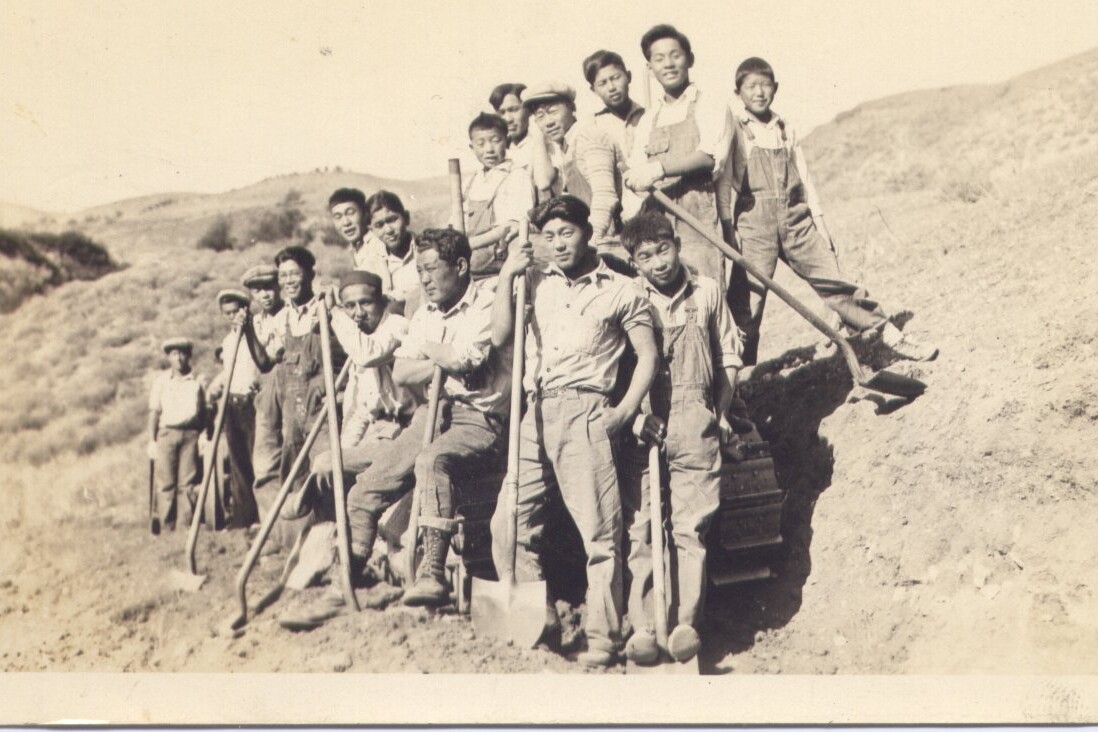
Since launching with Recollect, the museum has migrated over 22,000 records, with nearly all available to the public. The transformation has been felt across the organization: “From the library perspective, it’s been a game changer; from the objects subdepartment also a game changer. Objects and the library have always been there, but they’ve been kind of hidden, and now all of a sudden, they’re getting the spotlight they deserve.” The switch to customizable metadata templates has improved data consistency and made onboarding new staff straightforward.
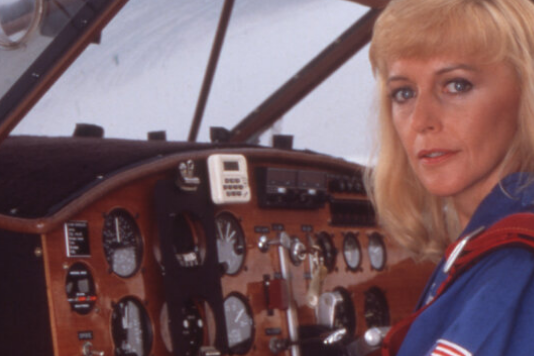
The external response has been enthusiastic. “A lot of people in the museum community are seeing the digital collection for the first time, thanks to Recollect. It really is opening up the community. Educators and local students have embraced the new archive, with teachers telling us that this is by far their favorite version of what we’ve done.” Aviation enthusiasts, authors, students, and model makers have all found new ways to engage with manuals, photographs, and flight attendant memorabilia, while feedback pours in from users who are discovering an unprecedented wealth of material.
Ali concludes, “Everything has just been so positive and fantastic. We’ve had people say, ‘I had no idea you had all of this stuff. Can I work with you on my book or my school project?’ That’s the kind of community engagement we always wanted.”
With Recollect now in place, the Museum of Flight has not only modernized its digital archive but also amplified its reach, impact, and service to aviation’s global community.